Staying cool in summer and warm in winter shouldn’t be a gamble. If you live in the desert climate of Southern Arizona, you know exactly how quickly heat, dust, and dry air can wear down even the most dependable HVAC systems. And when your system stops working on a 108-degree day in June? That’s not just uncomfortable—it’s a genuine safety concern. This comprehensive guide dives into why working with a dependable HVAC Contractor in Tucson, AZ—and specifically, investing in a thoughtful maintenance plan—gives you the peace of mind you deserve year-round.
We’ll walk through what to expect from true maintenance programs, whether you have a packaged rooftop unit, a high-efficiency heat pump, or a smart thermostat tied into zoned ductwork. We’ll cover how Tucson’s climate affects HVAC performance, what parts fail first (and why), which maintenance actions pay off most, how to choose the right contractor, and when to replace instead of repair. You’ll get reference tables, FAQs, pro tips, and practical advice you can use today. This is your all-in-one playbook for reliable Heating and Cooling in the Old Pueblo.
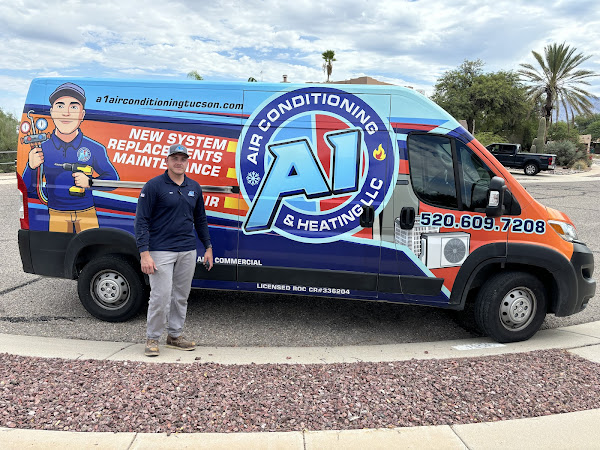
And yes, we’ll also show how a trusted local HVAC partner—like A1 Air Conditioning & Heating LLC—fits into the picture, without any hype. Let’s get your home or business set up for maximum comfort, minimal hassle, and true peace of mind.
Heating and Air Conditioning Tucson, AZ,HVAC Company Tucson, AZ,HVAC Contractor Tucson, AZ,Heating and Cooling Tucson, AZ,Air conditioning contractor, Tucson, AZ,Tucson, AZ Heating and Cooling,AC Installation Tucson, AZ
Let’s set the stage clearly. If you’ve searched for “Heating and Air Conditioning Tucson, AZ,” “HVAC Company Tucson, AZ,” “HVAC Contractor Tucson, AZ,” “Heating and Cooling Tucson, AZ,” “Air conditioning contractor, Tucson, AZ,” “Tucson, AZ Heating and Cooling,” or “AC Installation Tucson, AZ,” you’re likely looking for one of three things:
- A reliable maintenance plan that keeps your system efficient and stress-free A fast repair to get your home cool or warm again A thoughtful, long-term installation or upgrade that reduces bills and headaches
In Tucson, the stakes are higher than in milder climates. The region’s scorching summers, big daily temperature swings, heavy dust, and monsoon-season humidity spikes put unique pressure on HVAC systems. When your AC or heat pump is pushed to its limits for months at a time, maintenance isn’t optional—it’s essential.
Here’s the bottom line: A tuned, well-maintained HVAC system not only lasts longer but also cuts energy costs, prevents breakdowns at the worst possible times, and maintains indoor air quality for better health. A great HVAC Contractor in Tucson, AZ combines technical acumen with local know-how, tailoring solutions to your home’s layout, your lifestyle, and the realities of Sonoran Desert living.
Why HVAC Maintenance in Tucson Isn’t Just Nice—It’s Necessary
Tucson’s climate is deceptively tough on mechanical systems. Consider what your equipment faces:
- Extreme heat for months: Summer temps soar past 100°F, taxing compressors, capacitors, and refrigerant circuits. Dust and pollen: Fine particulates clog filters, foul coils, and strain blower motors. Monsoon moisture: Sudden humidity introduces corrosion risks and can trigger mold in poorly maintained systems. Big temperature swings: Daily highs and lows stress components with thermal expansion and contraction.
Without proactive maintenance, your system will run hotter, use more energy, and fail sooner. Here’s how maintenance changes the equation:
- Energy efficiency: Clean coils, correct refrigerant charge, and properly calibrated airflow can reduce energy usage by 10–30%. Reliability: Most emergency breakdowns stem from issues that are detectable during routine maintenance, such as weak capacitors, dirty coils, or worn contactors. Air quality: Fresh filters, sanitized coils, and cleaned drains reduce allergens and microbial growth. Longevity: Systems with regular maintenance can outlast neglected systems by several years, protecting your investment.
If you’ve ever asked, “Why does my AC struggle in late afternoon?” or “Why are some rooms hot and others cold?,” maintenance is often where the solution begins.
HVAC Maintenance Plans: What They Are and What They Should Include
Not all maintenance plans are created equal. A proper plan should be preventive, predictive, and customized. Here’s what a high-quality maintenance program in Tucson typically includes for residential systems:
- Two visits per year: One in spring (cooling tune-up) and one in fall (heating check) Comprehensive multi-point inspection with documented findings and photos Priority scheduling for members, especially during peak season Discounted repairs and parts Filter replacement schedule tailored to dust levels and health needs Warranty compliance support for equipment under manufacturer coverage
What should technicians actually do during those visits? At minimum, expect the following:
Cooling season tune-up typically includes:
Inspect and clean outdoor condenser coil Inspect evaporator coil and clean as needed Measure refrigerant pressures and verify charge Test capacitors, contactors, relays, and electrical connections Inspect blower assembly and motor bearings Replace or clean air filters Clear condensate drain and test pan and float switch Calibrate thermostat and confirm correct staging Check duct static pressure and airflow settings Verify temperature split across the coil Record amperage draw and compare to specs Inspect insulation on refrigerant lines and replace if deterioratedHeating season tune-up typically includes:
Inspect heat exchanger for cracks or corrosion Test ignition system, flame sensor, and burners Verify gas pressure and combustion analysis (for gas furnaces) Check heat pump reversing valve operation (for heat pump systems) Test safety controls and limit switches Inspect flue and venting Lubricate moving parts as required Inspect electrical components and tighten connections Replace or clean air filters Verify thermostat programming for seasonal schedulesThe best plans also include proactive alerts. For example, a worn capacitor or elevated static pressure should be flagged early to avoid peak-season failure.
HVAC Contractor Tucson, AZ: Maintenance Plans for Peace of Mind
This section deserves its own spotlight because the title says it all: HVAC Contractor Tucson, AZ: Maintenance Plans for Peace of Mind. When you invest in a plan tailored to Tucson’s realities, you get predictable comfort, predictable costs, and fewer surprises. The phrase HVAC Contractor Tucson, AZ: Maintenance Plans for Peace of Mind isn’t just a tagline—it’s a practical framework:
- Peace of mind means fewer breakdowns during summer heat waves. Peace of mind means your utility bills won’t suddenly spike without explanation. Peace of mind means you have priority service when you need it most. Peace of mind means your system is documented, monitored, and optimized year-round.
A top local HVAC Company in Tucson, AZ will explain the plan clearly, provide transparent pricing, keep digital records for your equipment, and offer personalized recommendations based on your system’s performance and your home’s usage pattern.
How Tucson’s Climate Shapes Maintenance Priorities
Let’s break down the localized considerations that matter for Heating and Cooling in Tucson, AZ:
- Dust and Debris: Rooftop condensers and ground-level heat pumps collect dust from winds. Routine coil cleaning is non-negotiable. Monsoon Rains: Rapid moisture influx means checking drain lines and pans for clogs or algae growth. A float switch can prevent water damage. UV Exposure: Sun exposure can deteriorate insulation, wiring jackets, and plastic components. UV-resistant insulation and sun shields can help. Large Diurnal Swings: Tucson can swing 30–40°F from day to night. Expansion and contraction can loosen connections—hence those electrical checks. Low Winter Humidity: Dry indoor air can irritate respiratory systems. Consider whole-home humidification or careful programming to balance comfort and energy.
Practical tip: If your outdoor unit gets full sun for most of the afternoon, discuss shade solutions that don’t impede airflow. Even a few degrees reduction in coil temperature can ease the compressor load.
Common HVAC Problems in Tucson Homes and How Maintenance Prevents Them
If you’ve lived through a few summers here, you’ve probably encountered one of these:
- Blown capacitors: High heat and constant cycling weaken capacitor plates. A simple ohm test during maintenance can catch a weak capacitor before failure. Dirty coils: A dust-coated coil can increase compressor runtime and slash efficiency. Routine coil cleaning is a must. Clogged condensate drains: Algae growth can block lines, trigger float switches, or cause water damage. Clearing and treating lines is standard preventive care. Refrigerant leaks: Vibration and corrosion can cause micro-leaks. Routine pressure checks and UV dye tracing can pinpoint issues early. Duct leakage: Leaky ducts waste conditioned air into attics and garages. Static pressure testing and duct sealing recover efficiency and comfort. Thermostat miscalibration: A poorly placed or miscalibrated thermostat causes short cycling or uneven comfort. Pros can recalibrate and advise on placement.
If you’ve ever asked, “Why is my AC running but not cooling?” or “Why is there water near the indoor unit?,” regular maintenance is how you prevent these headaches from happening in the first place.
The Money Question: Do Maintenance Plans Really Save You Money?
Short answer: Yes—if they’re comprehensive and executed by a qualified HVAC Contractor in Tucson, AZ. Here’s why:
- Efficiency gains: A clean, tuned system can reduce cooling costs by double digits during peak season. Avoided breakdowns: Replacing a $20 part proactively can prevent a $2,000 compressor failure. Extended lifespan: Delaying replacement by just a couple of years often covers the plan’s cost many times over. Warranty preservation: Many manufacturers require proof of maintenance for warranty claims. Priority service: Faster response during heat waves can prevent secondary damage like frozen coils or water leaks.
Quote to remember: “An HVAC maintenance plan is like changing the oil in your car. Skip it once, and you may be fine. Skip it repeatedly, and eventually the engine pays the price.”
What a Great Tucson HVAC Maintenance Visit Looks Like (Step-by-Step)
If you’re wondering, “What exactly happens during a tune-up?,” here’s a realistic, Tucson-specific walkthrough:
Pre-visit communication- You receive a call or text confirming the window and the technician’s name. Previous maintenance records and recommendations are reviewed.
- Technician discusses any recent performance changes, noises, or hot/cold spots. Visual inspection of outdoor unit: coil condition, debris, base stability.
- Measure line voltage and amperage draw. Test capacitors, contactors, and relays; evaluate wear and heat damage. Inspect fan blades, motor bearings, and mounts.
- Replace or clean filters; verify the MERV rating matches system specs. Measure static pressure; identify airflow restrictions or duct issues. Inspect return and supply plenums for leaks.
- Connect gauges to measure pressures and superheat/subcooling. Compare readings to manufacturer specs to verify proper charge. Inspect refrigeration lines for oil staining, UV dye, or insulation damage.
- Clean condenser coil with the appropriate method for fin type. Inspect evaporator coil; clean if accessible. Clear condensate drain; apply biocide tabs as needed.
- Calibrate thermostat; verify staging and fan settings. Check communication with smart thermostats or zoning panels.
- Confirm temperature split across coil. Run a full cycle and listen for anomalies. Document findings with photos and readings.
- Provide a plain-English summary with urgent, soon, and optional items. Offer options: repair now, monitor, or schedule follow-up.
- Email or text a comprehensive report. Schedule the next seasonal visit with a reminder system.
If your maintenance appointments don’t feel this thorough, it’s time to consider a different provider.
Signs You Need an HVAC Contractor in Tucson, AZ Right Now
Don’t wait for catastrophic failure. Call a qualified HVAC Company in Tucson, AZ if you notice:
- Warm air blowing from vents when the AC is on Short cycling (frequent on/off) or very long run times Unusual noises: grinding, squealing, clicking, or rattling Persistent hot rooms or uneven temperatures Unexplained increases in your electric bill Water near indoor units or dampness in the closet Musty or burning smells from vents A frozen indoor coil (often due to airflow or refrigerant issues)
These symptoms can escalate quickly during extreme heat. Prompt attention can save your system and your budget.
Choosing the Right HVAC Company in Tucson, AZ
The right contractor makes all the difference. Use this checklist:
- Licensing and insurance: Confirm Arizona ROC licensing and liability coverage. Local experience: Ask about experience with Tucson’s climate and common system types. Transparent pricing: Request line-item quotes and clear maintenance plan terms. Technical depth: NATE-certified technicians, ongoing training, and diagnostic tools. References and reviews: Look for consistent praise for responsiveness and clarity. Communication: Expect clear explanations and written reports. Warranty support: The contractor should help you maintain manufacturer warranties.
Tip: During the estimate, ask the contractor to measure static pressure, check refrigerant data, and comment on duct condition. Their answer reveals their depth.
A trusted local provider such as A1 Air Conditioning & Heating LLC can be a good benchmark for professionalism and process. Evaluate how any contractor explains tradeoffs, not just prices.
AC Installation Tucson, AZ: When Repair Isn’t Enough
At some point, repair stops making financial sense. Consider a new system when:
- Your unit is 12–15+ years old and needs a major repair Your SEER rating is below 14 and bills are high Your system uses R-22 refrigerant Your home has humid, uneven, or noisy airflow issues Repairs exceed 30–40% of replacement cost
In Tucson, right-sizing and airflow are critical. Oversized units short-cycle and fail to dehumidify; undersized https://www.google.com/maps/place/?cid=5965225030715108146 units run continuously and still can’t keep up. A professional load calculation (Manual J), duct analysis (Manual D), and equipment selection (Manual S) are essential for long-term comfort and efficiency.
What should a proper AC Installation in Tucson, AZ include?
- Load calculation based on your home’s envelope and internal gains Duct inspection and sealing; possible reconfigurations for airflow balance High-efficiency filtration and optional IAQ upgrades Smart thermostat integration Verification tests: static pressure, airflow, temp split, and commissioning report Clear warranty documentation and a first-year check-in
Feature Focus: Heat Pumps vs. Traditional AC in Tucson
With Tucson’s mild winters and scorching summers, heat pumps are increasingly popular. Should you switch?
Heat pumps:
- Provide both heating and cooling Perform efficiently in mild winter temps Tucson typically experiences Pair well with variable-speed air handlers for comfort
Traditional AC + gas furnace:
- Strong heating output for cold snaps Well-understood and widely serviced May cost less upfront depending on configuration
In many Tucson homes, a high-efficiency heat pump offers excellent year-round performance and can reduce total energy use. Your HVAC Contractor in Tucson, AZ can model costs for both paths.
Indoor Air Quality: The Overlooked Companion to Maintenance
Tucson’s dust and pollen can take a toll on lungs and equipment. Maintenance plans should incorporate IAQ considerations:
- Filter strategy: MERV 8–11 for most homes; MERV 13 for allergy sufferers if the system can handle the static pressure UV light on coil: Helps reduce microbial growth in humid monsoon conditions Whole-home air purifier: Captures smaller particulates, helpful during dust storms Duct cleaning: Case-by-case; best when ducts are visibly contaminated or after major renovations Humidity: Aim for indoor humidity ranges comfortable for health; Tucson is typically dry, but monsoon spikes require effective dehumidification via proper cooling cycles
If anyone in the home has asthma or allergies, discuss IAQ during your maintenance visit.
Energy-Saving Tactics That Pair with Maintenance
Maintenance is the engine; these tactics are the fuel:
- Smart thermostat schedules: Increase setpoint when away during summer; reduce at night for sleep comfort Shade and insulation: Shade west-facing windows; insulate attics and seal penetrations Weatherstripping: Reduce infiltration that burdens your system Ceiling fans: Improve perceived comfort and allow slightly higher setpoints Filter discipline: Replace on schedule; set calendar reminders
Even simple changes can save meaningful dollars each month, especially during peak season.
Troubleshooting Quick Guide: Should I Call or Can I Fix It?
Before calling your HVAC Company in Tucson, AZ, try these steps:
- Check the thermostat: Mode, setpoint, and schedule Replace or clean the air filter Check the breaker: Reset if tripped, but investigate cause Inspect the outdoor unit: Clear debris and ensure the fan is spinning Look for ice: If the indoor coil is frozen, turn the system off and run the fan to defrost; then call Verify vents: Open supply and return vents for proper airflow
If you still have issues, or if you hear grinding or smell burning, stop and call a pro immediately.
Case Study Scenarios: Maintenance Wins in Tucson
Scenario 1: The capacitor catch
- Symptom: AC won’t start on first hot week in May Finding: Weak start capacitor flagged during spring tune-up Action: Capacitor replaced proactively; no summer breakdown Outcome: Avoided emergency call, protected compressor
Scenario 2: Static pressure surprise
- Symptom: High energy bills and hot back rooms Finding: High static due to undersized return and clogged filter Action: Added return, upgraded filter cabinet, recalibrated fan speed Outcome: Even temps, lower bills, improved system lifespan
Scenario 3: Drain line disaster averted
- Symptom: Gurgling sound near indoor unit Finding: Algae buildup in condensate line during monsoon Action: Cleared and treated line; installed float switch Outcome: Prevented water damage and service interruption
Maintenance Plan Options: How to Choose the Right Level
Not every home needs the same plan. Consider tiers:
Basic plan:
- Two seasonal tune-ups Filter changes Priority scheduling
Plus plan:
- Everything in Basic Discounts on repairs and parts Annual coil cleaning included Drain line treatment and float switch testing Digital performance report with trend tracking
Premium plan:
- Everything in Plus Advanced diagnostics (e.g., refrigerant leak check, static pressure log) IAQ inspection and recommendations Extended labor warranty on repairs Annual duct assessment
Choose based on system age, indoor air quality needs, and your appetite for risk. Older systems typically benefit from Plus or Premium.
Table: Tucson HVAC Maintenance Snapshot
| Component/Task | Tucson Priority | Frequency | Why It Matters | |---|---|---|---| | Filter replacement | High | Every 1–3 months | Dust and pollen load is heavy | | Condenser coil cleaning | High | Spring and as needed | Improves efficiency, reduces compressor stress | | Capacitor check | High | Each visit | Heat weakens capacitors; early failure common | | Static pressure test | Medium-High | Each visit | Identifies duct and airflow issues | | Drain line clearing | High | Spring and monsoon | Prevents overflows and water damage | | Refrigerant charge verification | High | Spring | Ensures proper cooling capacity | | Thermostat calibration | Medium | Each visit | Prevents short cycling and uneven temps | | Duct inspection | Medium | Annually | Catches leaks and insulation failures | | Heat exchanger inspection | High (if furnace) | Fall | Safety and efficiency | | Reversing valve test | High (if heat pump) | Fall | Reliable heating performance |
The Role of Documentation: Your HVAC’s Health Record
Professional contractors don’t just “tune up and leave.” They build a health record:
- Equipment model and serial numbers Date-stamped measurements for pressures, temperatures, and amperage Photos of key components and coil conditions Repair and replacement history Recommendations with urgency levels
This record reduces guesswork, speeds future repairs, helps with warranty claims, and supports resale value by showing you’ve cared for the home’s systems.
Red Flags: When a Maintenance Plan Isn’t Worth It
Be cautious if you encounter:
- Vague scope: No itemized checklist No measurements: “Looks good” without data Hard upsells: Pressure to replace without evidence Cash-only or no invoice: Lack of documentation is a risk No licensing info: Always verify
You deserve transparency. A legitimate HVAC Contractor in Tucson, AZ welcomes your questions and provides clear answers.
For Business Owners: Commercial HVAC Maintenance in Tucson
Commercial systems—rooftop units, split systems, VRF/VRV—face even tougher demands:
- Longer run times and higher cooling loads Greater filtration needs for foot traffic and dust Comfort impacts productivity, sales, and compliance
A commercial plan often includes:
- Quarterly filter changes or more frequent during dust season Regular coil cleaning to maintain capacity Belt and bearing checks for air handlers Economizer inspection for ventilation effectiveness Centralized reporting and budgeting forecasts
If your business relies on steady comfort—restaurants, retail, medical, offices—planned maintenance protects revenue and reputation.
Smart Tech: Sensors and Predictive Maintenance
Modern systems and add-ons can predict issues before they cause downtime:
- Smart thermostats: Track runtimes and flag anomalies Condensate sensors: Alert on drain clogs Vibration sensors: Detect fan imbalances Cloud-connected monitors: Log data for seasonal trend analysis
Ask your HVAC Company in Tucson, AZ about technology bundles in their maintenance plans. Often, a modest investment in monitoring pays for itself in avoided emergencies.
Cost Transparency: What Should You Expect to Pay?
Pricing varies by system and scope, but as a general guide:
- Residential maintenance plan: Typically a few hundred dollars per year for two visits Individual tune-up: Often more per visit than a plan’s pro-rated cost Coil cleaning (if beyond routine): Additional if coil is severely fouled IAQ add-ons: Filters, UV lights, and purifiers priced separately
Value check: Compare the plan cost to just one emergency call during peak season. In many cases, a single avoided emergency visit justifies the plan.
Permits, Codes, and Safety Considerations in Tucson
Even maintenance has safety angles:
- Electrical safety: Proper disconnects, wire gauges, and breaker sizing Refrigerant handling: EPA 608 certification required for refrigerant work Combustion safety: CO detectors and furnace inspections for gas appliances Ladder and rooftop safety: Especially for packaged units
Reputable contractors follow code, use proper PPE, and document safety checks. It’s not just about comfort—it’s about health and safety.

How Maintenance Supports Sustainability in the Desert Southwest
Efficiency isn’t just about bills—it’s about stewardship:
- Lower energy use reduces strain on the grid during peak demand Proper refrigerant management minimizes environmental impact Longer equipment lifespans reduce waste Optimized systems can often run at higher setpoints while maintaining comfort
Good maintenance is one of the simplest sustainability wins available to homeowners in Tucson.
What to Ask During Your Next Maintenance Visit
Make the most of your appointment with targeted questions:
- What’s my current static pressure, and is it within spec? How does my temperature split compare to ideal? Do you see any signs of refrigerant loss? Are my ducts properly sealed and insulated? Is my filter selection appropriate for my system and allergies? Would a smart thermostat or zoning help my home? Are there any items we should budget for in the next year?
Good technicians love informed homeowners. These questions spark valuable conversations.
Seasonal Timing: When to Schedule Maintenance in Tucson
- Spring: March to May for cooling tune-ups, before the first heat wave Fall: October to November for heating checks and system resets After dust storms: Consider an extra filter change and quick coil rinse Before vacations: Verify the system is healthy, and adjust thermostat schedules
Booking early ensures you’re not waiting during the busiest weeks when temperatures spike.
Special Considerations for Older Homes and Retrofits
Tucson’s housing stock ranges from historic bungalows to new builds. Older homes may need:
- Duct redesigns to improve static pressure and room-to-room balance Attic insulation upgrades and air sealing Transition from window units or swamp coolers to heat pumps Electrical panel assessments for modern equipment loads
A thoughtful retrofit guided by an experienced HVAC Contractor in Tucson, AZ can transform comfort, value, and energy costs.
When You’ve Done Everything Right—But It’s Still Not Comfortable
Sometimes, the HVAC system isn’t the only factor:
- Envelope issues: Leaky doors, single-pane windows, thin insulation Solar gains: West-facing glass without shading or film Internal loads: Electronics and lighting adding extra heat Room layout: Long duct runs to far bedrooms or additions
Work with your contractor to address these holistically. The best solutions blend HVAC tuning with building science improvements.
A Note on Brands and Components
While equipment brand matters, proper installation and maintenance matter more. A mid-tier system installed and maintained expertly will often outperform a top-tier system that’s neglected or misconfigured. Focus on:
- Correct sizing and airflow Quality components (e.g., capacitors, contactors) Verified commissioning Documented maintenance
Local experience with Tucson conditions is the “brand advantage” you truly need.
Vendor Spotlight: Trusted Local Expertise
When you need a dependable partner who understands Tucson’s climate and codes, working with an established local provider is a smart move. For example, A1 Air Conditioning & Heating LLC is known by many homeowners for clear communication, data-backed recommendations, and maintenance plans aligned with Tucson’s unique environmental pressures. Whether you choose A1 Air Conditioning & Heating LLC or another reputable firm, use the criteria in this guide to ensure your contractor delivers genuine peace of mind.
Quick-Reference: Homeowner Maintenance Habits That Help Your Pro
- Replace filters every 1–3 months based on dust and pets Keep a two- to three-foot clearance around outdoor units Hose off large debris from condenser fins carefully (avoid bending fins) Keep supply and return vents unblocked Note any unusual noises, smells, or performance dips and tell your tech Set a reminder for spring and fall tune-ups
These simple habits amplify the benefits of professional maintenance.
Mini-Glossary: Terms You’ll Hear During Maintenance
- SEER/SEER2: Seasonal efficiency rating for cooling HSPF/HSPF2: Heating efficiency rating for heat pumps Static pressure: Resistance in ducts affecting airflow Temperature split: Difference between return and supply air temps Superheat/Subcooling: Refrigerant measurements indicating charge health ECM motor: Efficient, variable-speed blower motor Reversing valve: Switches heat pump between heating and cooling modes
Understanding these terms helps you engage confidently with your technician.
Decision Tree: Repair, Maintain, or Replace?
Ask yourself:
- Is the unit under 10 years old and otherwise reliable? Maintain and repair as needed. Over 12–15 years old with major issues? Price out replacement. Are energy bills high despite maintenance? Consider duct upgrades or system replacement. Are comfort issues persistent? Investigate airflow and building envelope.
Your contractor should walk you through ROI comparisons with real numbers.
Safety Corner: Carbon Monoxide and Gas Furnaces
If your home uses a gas furnace:
- Install CO detectors near sleeping areas Schedule annual heat exchanger inspections Ensure proper venting and combustion air Never ignore furnace odors or soot accumulation
Safety is part of peace of mind. Maintenance plans should explicitly include these checks.
Monsoon Mode: Special Tips for July–September
- Check and clear drain lines monthly Consider biocide tablets for condensate pans Verify attic ventilation to reduce heat and moisture Keep an eye on coil icing during humidity spikes; call if it recurs
Proactive steps keep your system stable during the most volatile weeks.
Featured Q&A: Fast Answers for Featured Snippets
Q: What’s included in an HVAC maintenance plan in Tucson, AZ? A: A Tucson-focused plan typically includes two seasonal tune-ups, coil cleaning, refrigerant checks, electrical testing, filter replacements, drain line clearing, thermostat calibration, airflow and static pressure checks, documentation with photos, and priority service with repair discounts.
Q: How often should I service my AC in Tucson? A: Twice a year—once in spring before peak heat and once in fall to prepare for heating season. Replace filters every 1–3 months due to high dust levels.
Q: Do HVAC maintenance plans really save money? A: Yes. They improve efficiency, prevent costly breakdowns, extend equipment life, preserve warranties, and provide priority service during heat waves—often saving more than the plan costs.
Q: When should I replace my AC instead of repairing it? A: Consider replacement if the system is 12–15+ years old, uses outdated refrigerant, needs major repairs, has low efficiency, or struggles to maintain comfort despite maintenance.
Q: What’s the best HVAC filter for Tucson homes? A: Many homes do well with MERV 8–11. For allergy concerns, MERV 13 is effective if the system can handle the added resistance. Consult your contractor for static pressure implications.
FAQs
1) How long does a typical HVAC tune-up take in Tucson?
- Most residential tune-ups take 60–120 minutes, depending on system accessibility, coil condition, and whether airflow or duct testing is performed.
2) Can I hose off my outdoor AC unit myself?

- Lightly rinsing the condenser coil from the inside out can help remove surface dust. Avoid bending fins and never use high-pressure jets. Deep cleaning is best left to pros.
3) Will a maintenance plan keep my warranty valid?
- Many manufacturer warranties require proof of regular maintenance. Keep digital records from your contractor to protect coverage.
4) What thermostat settings work best for energy savings in Tucson summers?
- Try 78–80°F when home and higher when away, supported by ceiling fans. Night setbacks can improve sleep comfort without big energy penalties.
5) Is duct cleaning necessary in Tucson?
- Not always. It’s recommended when there’s visible contamination, after renovations, or if airflow and air quality issues persist. Duct sealing and filtration are often higher priorities.
HVAC Contractor Tucson, AZ: Maintenance Plans for Peace of Mind—Putting It All Together
We’ve used the phrase HVAC Contractor Tucson, AZ: Maintenance Plans for Peace of Mind more than once because it captures the goal: dependable comfort without surprises. Tucson’s climate pushes HVAC systems hard. Dust, heat, and monsoon moisture are relentless. Smart homeowners and business managers don’t roll the dice—they plan.
Here’s the durable blueprint:
- Schedule spring and fall tune-ups with a qualified local contractor. Use filters that balance air quality and airflow, and replace them on schedule. Monitor utility bills and performance; ask for data during each visit. Address ductwork and airflow issues, not just equipment. Consider upgrades—smart thermostats, improved returns, or high-efficiency systems—when the numbers make sense. Keep records. They protect warranties, support resale, and inform better decisions.
In the Tucson area, partnering with an experienced HVAC Company in Tucson, AZ means you’re not facing the desert alone. Whether you work with a team like A1 Air Conditioning & Heating LLC or another reputable provider, the right maintenance plan delivers exactly what you’re after: efficiency, reliability, health, and yes—peace of mind.
Conclusion: Your Path to Year-Round Comfort and Confidence
Comfort shouldn’t be a cliffhanger every time the forecast spikes. With a solid maintenance plan tailored to the realities of Heating and Cooling in Tucson, AZ, you can transform your HVAC system from a source of anxiety into a dependable ally. The steps are straightforward: choose a qualified HVAC Contractor in Tucson, AZ, schedule regular tune-ups, document performance, and act on data-driven recommendations.
Remember:
- Maintenance is not a luxury in the Sonoran Desert—it’s insurance for comfort and health. Small proactive fixes prevent big reactive expenses. Airflow, filtration, and refrigerant health are the pillars of performance. The right contractor brings local expertise, transparency, and accountability.
If you’ve been searching for Heating and Air Conditioning Tucson, AZ, HVAC Company Tucson, AZ, HVAC Contractor Tucson, AZ, Heating and Cooling Tucson, AZ, Air conditioning contractor, Tucson, AZ, Tucson, AZ Heating and Cooling, or AC Installation Tucson, AZ, consider this your roadmap. Follow it, and you’ll enjoy steady comfort, lower bills, and that elusive feeling we all want from our homes and businesses: true peace of mind.